Measures and environmental objectives
The LIFE project ‘Riverscape Lower Inn’ promotes habitat and species diversity in the European protected area along the Lower Inn. The wide-ranging measures, both on land and in the water, focus on three key areas:
Anchor-Menu
Aquatic habitat
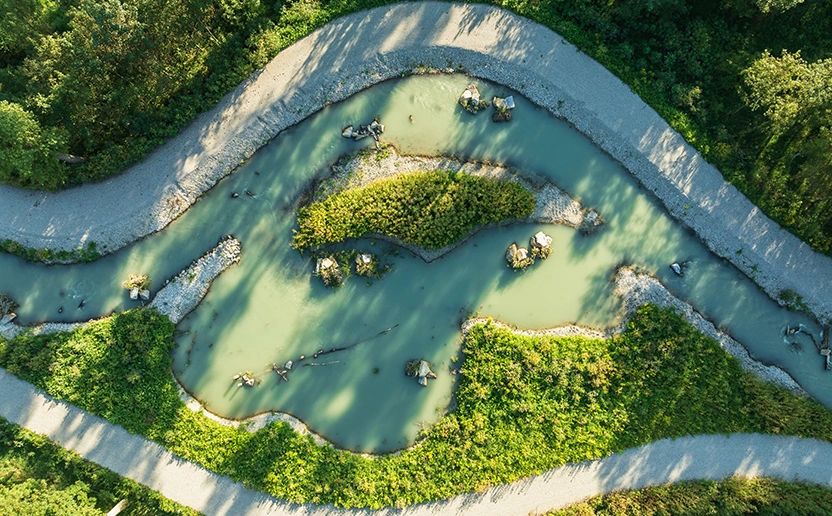
Near-natural bypass channels designed to aid fish migration help to strengthen fish populations. VERBUND is constructing two fish migration aids to ensure passability and provide more habitat.
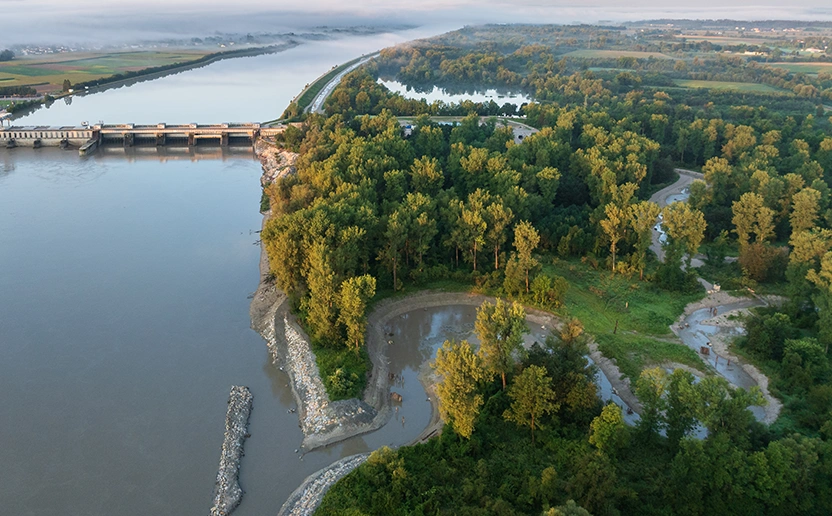
5.8 km fish passage at Egglfing-Obernberg
Measures taken
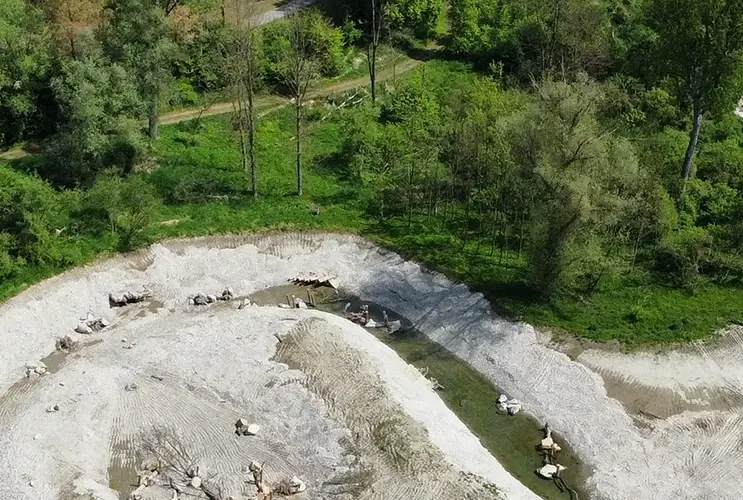
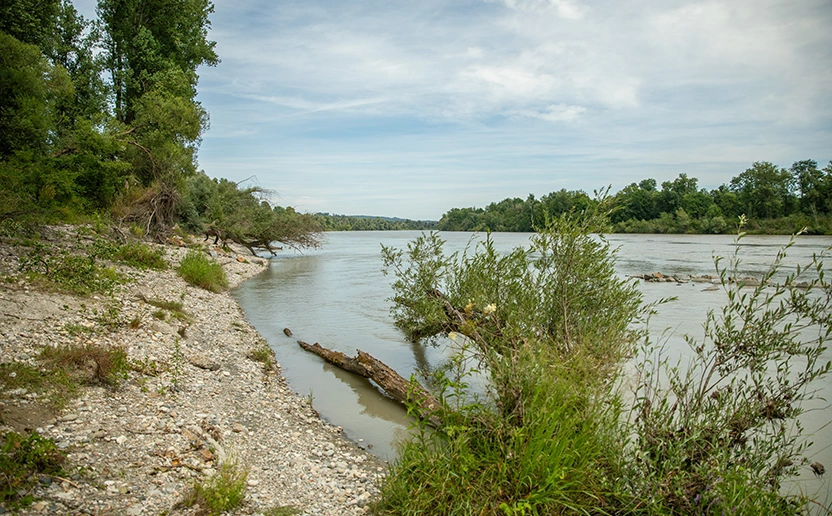
Removal of bank protection works on the banks of the Inn; development of gravel banks, river wood structures and islands
Renaturation of the mouths of the Enknach, Stampfbach, Kirnbach and Mühlheimer Ache
Embankments in Bloom
Embankment Slopes
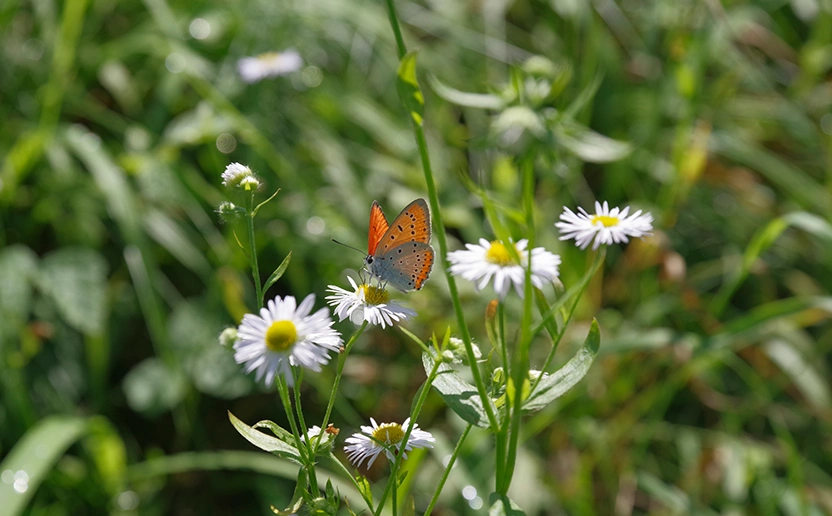
40 km of species-rich flower meadows are being created along the River Inn through the professional maintenance of the embankments – laying the foundations for greater biodiversity.
Measures taken
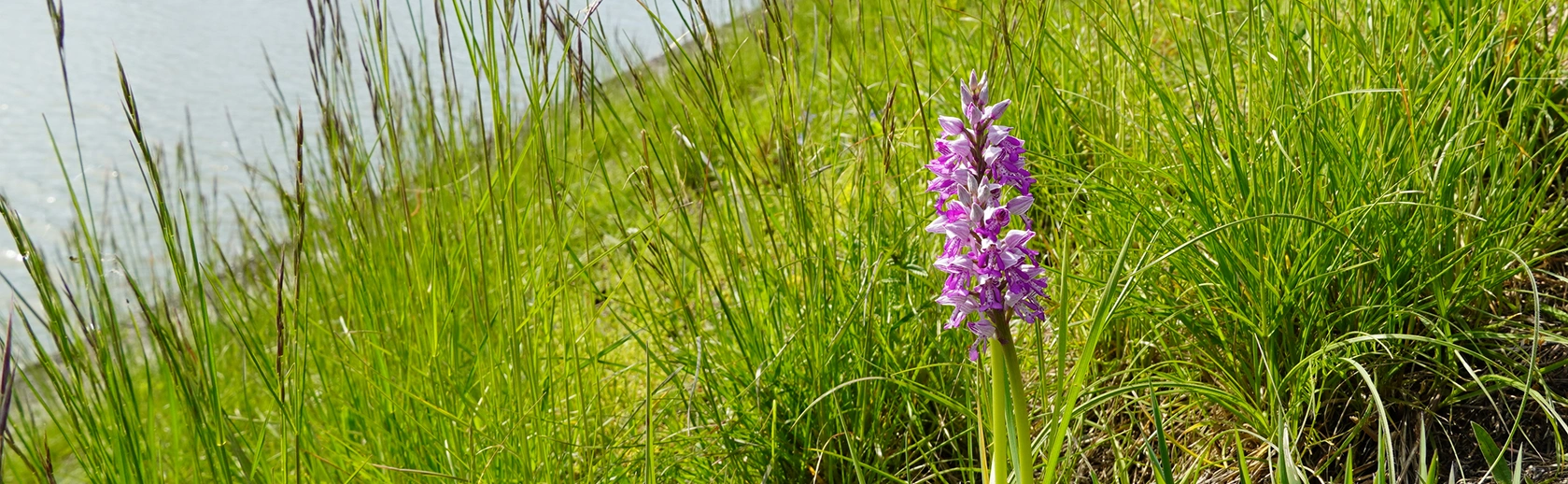
Rare meadow habitats enrich the landscape and biodiversity
The Inn embankment and the burnt areas (Heißländen) are transformed into corridors for wild bees and other insects through connectivity
Strips of fallow land and patches of scrub provide new habitats for birds and insects
Floodplains of the Inn
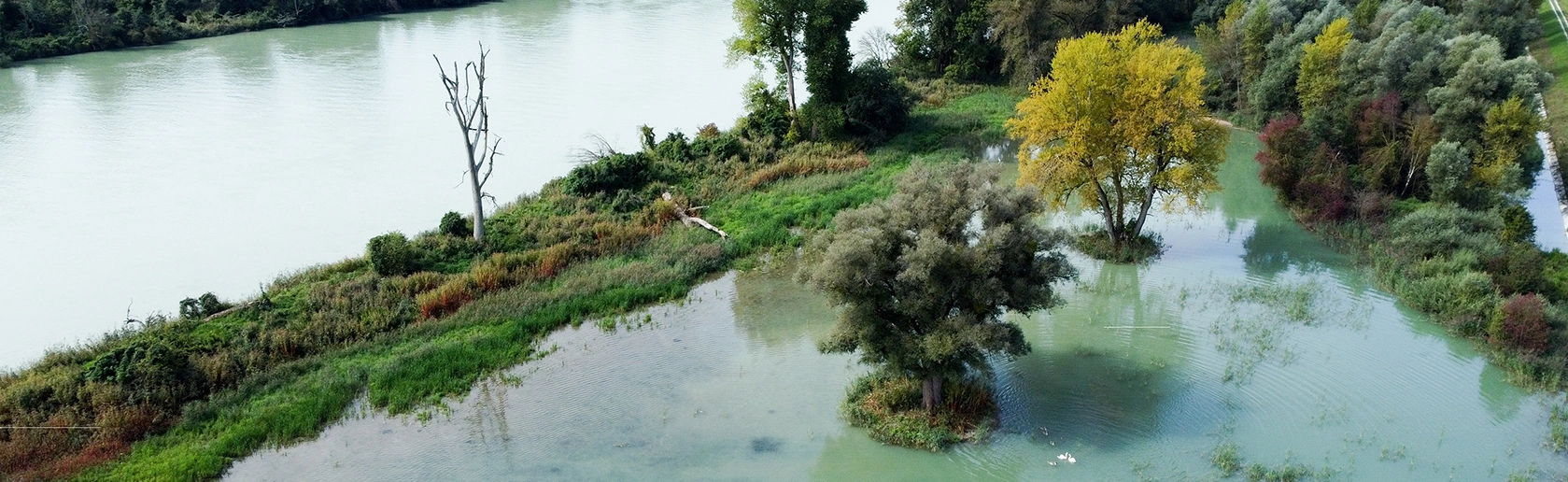
For many decades, the dams of the Inn power stations have divided the floodplain areas. Floodwaters from the Inn now reach only the floodplains on the river side. New habitats are emerging as a result of different approaches.
Renaturalisation
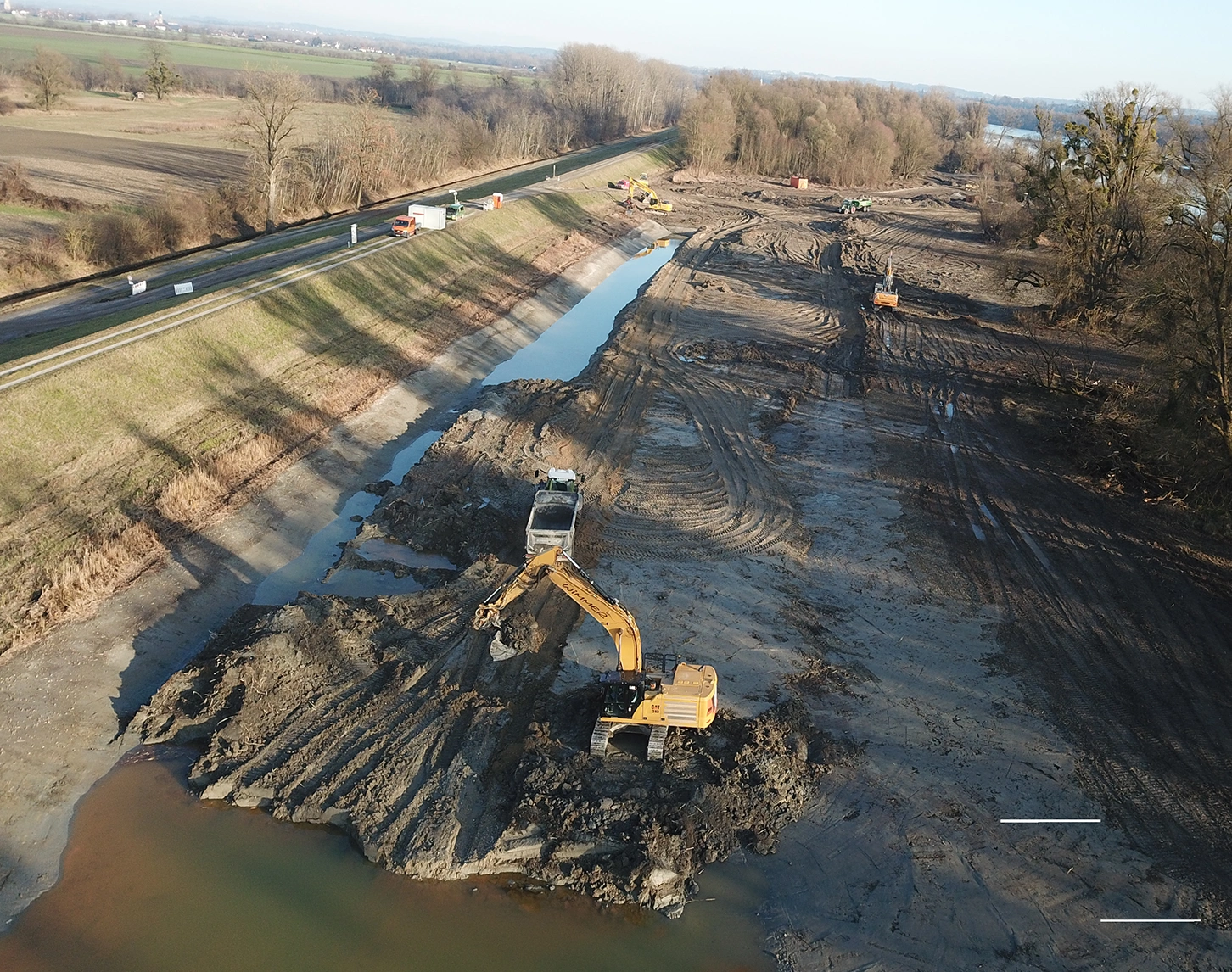
of still waters on both the land and water sides of the dams, featuring a variety of structures, shallow and deep zones.
Measures taken
New standing water bodies for the crested newt and other amphibians; 20 new pools for the yellow-bellied toad
A visitor management plan, birdwatching stations and nature trails invite visitors to explore the river landscape
Conservation of the near-natural grey alder forest and species-rich forest edges